
.jpg)
The post How Walkable Is Granada Hills? A Local Guide appeared first on Solaterra Granada Hills Blog.
]]>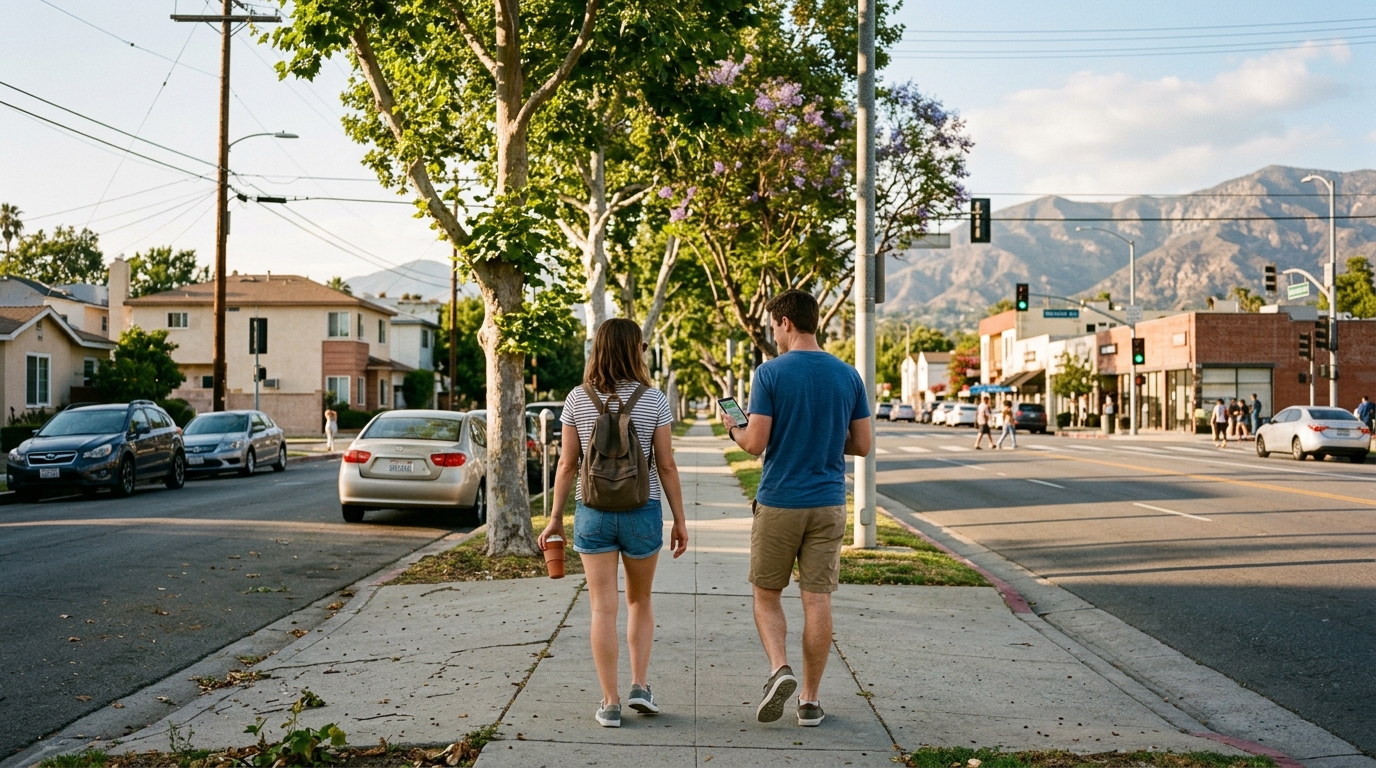
Walkability means different things depending on your routine. If you are asking how walkable Granada Hills is, consider your specific location, weekly errands, and whether you expect to walk for daily needs or mostly for recreation.
The area generally has a more car-oriented layout than denser parts of Los Angeles, but pedestrian access can vary by location. People researching rental living in Granada Hills should look beyond a neighborhood-wide score and check the routes they would actually use each week.
Quick Answer: Is Granada Hills Walkable?
The neighborhood is generally car-dependent rather than highly walkable. Its current Walk Score of 44 and Transit Score of 29 suggest many everyday errands are easier by vehicle, though some public transportation is available.
That does not mean every home offers the same experience. Some residents may walk to restaurants, shops, parks, or bus stops, while larger grocery trips, regional shopping, and commuting may still be easier by vehicle.
Quick Walkability Checklist for Renters
Before choosing an address, check:
- Distance to groceries, coffee, parks, and transit
- Sidewalks and crossings on the route you would actually take
- Whether you will carry groceries or walk with pets
- Summer heat and evening visibility
- Bus access for your real commute
- Whether larger errands still require a vehicle
Understand Granada Hills’ Overall Walkability
Walk Score currently classifies the neighborhood as Car-Dependent. The area-wide rating is a useful starting point, but it does not describe every property or street.
Pedestrian access can change based on:
- Distance to shops and services
- Sidewalk availability
- Number of major street crossings
- Traffic and road width
- Hills or changes in elevation
- Shade and weather exposure
- Distance to a transit stop
A home near a commercial corridor may offer a very different daily experience from one farther inside a residential or hillside area.
A store can look close on a map but still require crossing a wide road, following an indirect path, or carrying groceries along an uncomfortable route.
Prospective renters considering Solaterra can explore the neighborhood map and compare its San Fernando Mission Boulevard location with the destinations that matter most to them.
What Everyday Trips May Be Practical on Foot?
The most useful approach is to start with the errands you complete regularly.
From some locations, shorter trips on foot may include:
- Coffee or a casual meal
- Small retail purchases
- Pharmacy or personal-care errands
- Nearby services
- Local parks
- Bus stops
Larger errands may be harder on foot, especially when purchases are heavy or destinations are spread across the area.
Chatsworth Street, Balboa Boulevard, and San Fernando Mission Boulevard are important local corridors, but shops and pedestrian access vary along them. Just because a shop is on one of these streets does not mean it will be an easy walk from every home.
Before signing a lease, check the route yourself if possible. Look at sidewalks, crossings, traffic, distance, and how the trip feels at the time of day you would normally make it.
Recreational Walking Is Different From Running Errands
The area offers places to walk for exercise and outdoor recreation, even though driving is still common for everyday transportation.
Local recreation options include O’Melveny Park, Bee Canyon Park, Granada Hills Recreation Center, and residential walking routes.
O’Melveny Park is a large local park with hiking and walking opportunities. It can be a good recreation destination, but many residents may still need transportation to reach it.
The same distinction applies to other parks and trails. You may drive to a recreation area and then spend an hour walking once you arrive.
Recreational walking and everyday pedestrian access are not the same. An area can offer enjoyable outdoor routes while driving remains useful for groceries, work, medical appointments, or larger errands.
For more local recreation ideas, explore things to do in Granada Hills.
Can You Live in Granada Hills Without a Car?
It may be possible for some households, but the area is not generally designed around a fully car-free lifestyle.
Metro bus service operates through portions of the neighborhood. Current route materials show Line 235/236 serving the area along a route connecting Sylmar, Mission Hills, Northridge, Lake Balboa, and Encino. Line 237 also provides connections toward North Hollywood, Van Nuys, Northridge, and Encino.
A lower-car routine may be more workable when:
- Your job or school is reachable with a practical bus connection
- Essential errands are relatively close to home
- You work remotely or follow a hybrid schedule
- Delivery fills occasional grocery or household needs
- You do not regularly travel across multiple parts of Los Angeles
Living without a vehicle may be harder when your commute requires several transfers or regular destinations are spread across the San Fernando Valley.
Renters weighing the broader lifestyle can also review what living in Granada Hills is like.
Use a Five-Minute Walkability Test Before Choosing an Address
A neighborhood score is useful, but your own weekly destinations are more important.
1. Map Your Five Most Frequent Destinations
Start with places you expect to visit regularly, such as a grocery store, pharmacy, workplace or transit connection, coffee shop, and park.
2. Check the Actual Pedestrian Route
Do not look only at straight-line distance. Review sidewalks, major intersections, road width, hills, and how many crossings are involved.
3. Separate Daily and Occasional Trips
You may not need every destination to be walkable. Focus first on the places you expect to visit several times per week.
4. Think About Real Conditions
Consider summer heat, evening trips, carrying groceries, walking with a pet, or any personal mobility needs that affect whether a route is practical.
5. Choose Your Transportation Mix
Your routine might combine walking for nearby errands, transit for selected trips, driving for larger shopping or commuting, and dedicated recreational walks at local parks.
Rather than chasing the highest score, focus on whether the location supports how you actually live.
When a Vehicle May Make Daily Life More Practical
For many households, access to a vehicle makes regional travel and larger errands easier.
Driving may be particularly useful for:
- Larger grocery trips
- Multiple errands in one outing
- Cross-Valley work commutes
- Medical appointments farther from home
- Weekend trips
- Parks or recreation areas that are not nearby
Home features can also support a driving-based routine. Solaterra currently lists private attached garages, Parcel Pending lockers, and in-home washers and dryers, plus a pool, hot tub, and clubhouse. Features vary by residence.
Renters comparing which conveniences matter most can review amenities that support everyday routines.
These features do not improve pedestrian access, but they may reduce certain trips outside the community.
Explore Granada Hills From Solaterra
Compare the location with your own commute, errands, parks, and preferred transportation options. If you are considering Solaterra, review the property’s location and the routes you expect to use, then contact the Solaterra Granada Hills leasing team to ask about the community.
Frequently Asked Questions About Granada Hills Walkability
Is Granada Hills Walkable?
The neighborhood currently has a Walk Score of 44 and is categorized as Car-Dependent. Some locations may offer easier access to shops, parks, restaurants, or transit than the area-wide score suggests.
Do You Need a Car in Granada Hills?
Many people may find a vehicle useful for commuting, grocery shopping, and regional trips. Whether you need one depends on your location, workplace, transit access, delivery habits, and regular destinations.
Can You Live in Granada Hills Without a Car?
Some households may be able to, particularly if they work remotely, live near essential services, and have useful transit connections. Living without a vehicle may be less practical when regular destinations are spread throughout the San Fernando Valley or greater Los Angeles.
Is There Public Transportation in Granada Hills?
Yes. Metro bus routes serve portions of Granada Hills and connect the neighborhood with other areas of the San Fernando Valley. Routes, schedules, stop locations, and transfer requirements can change, so check current Metro information for the trips you plan to make.
Where Can You Walk for Recreation in Granada Hills?
The area offers recreation options including O’Melveny Park, Bee Canyon Park, Granada Hills Recreation Center, and neighborhood walking routes. Some recreation areas may still require transportation depending on where you start.
Disclaimer
Walkability varies by location, route, destination, and personal mobility needs. Transit service, businesses, road conditions, and schedules may change, and an area-wide score does not guarantee that a destination is easy to reach on foot. External references include Walk Score – Granada Hills, LA Metro Line 235/236, LA Metro Line 237, O’Melveny Park, Bee Canyon Park, and Granada Hills Recreation Center. Verify important routes and transportation details before making a leasing decision.
The post How Walkable Is Granada Hills? A Local Guide appeared first on Solaterra Granada Hills Blog.
]]>The post Townhome Amenities Explained: What Renters Should Look For appeared first on Solaterra Granada Hills Blog.
]]>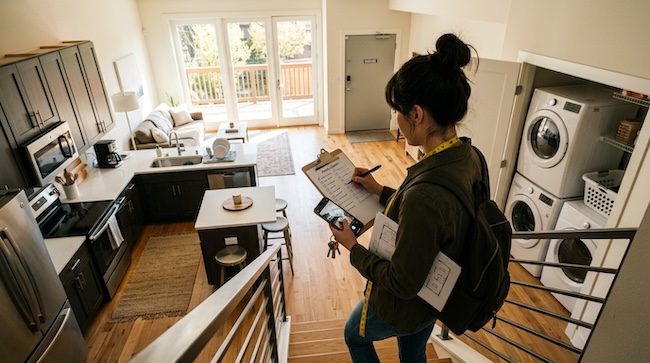
Amenity lists often make every feature sound equally important. In practice, the most useful amenities support regular routines such as parking, laundry, cooking, storage, working from home, and receiving deliveries.
A pool may matter to someone who expects to use it often. Another renter may value a private garage or in-home laundry more. This guide separates the townhome amenities to look for into three tiers: in-home features, community amenities, and neighborhood convenience.
Readers still comparing property types can review which townhome amenities affect daily routines.
Quick Answer: What Amenities Should You Look for in a Townhome?
Prioritize amenities that solve everyday problems. Useful townhome in-unit amenities often include in-home laundry, reliable heating and cooling, practical storage, secure parking, functional appliances, and outdoor space that fits your routine.
Then review shared recreation, package delivery, maintenance support, pet policies, and neighborhood access. Confirm which features come with the specific residence, whether additional charges apply, and how often you expect to use each amenity.
| Amenity Tier | What to Evaluate | Why It Matters |
|---|---|---|
| In-home | Layout, laundry, HVAC, appliances, storage, garage, and outdoor space | These features affect routines inside the residence. |
| Community | Pool, clubhouse, package systems, parking rules, pets, and maintenance | Shared features add convenience but may have rules or limited access. |
| Neighborhood | Groceries, parks, healthcare, dining, and transportation | Off-site access affects errands and commuting. |
Define Your Must-Haves Before Comparing Amenities
Create a priority list before visiting a model home or reviewing staged photographs.
- Must-haves: These are features required for the home to support your routine, such as enough bedrooms, in-home laundry, or assigned parking.
- Nice-to-haves: These conveniences would improve daily life, but you could still consider a home without them.
- Deal breakers: These are missing features or conditions that would prevent you from leasing, such as difficult stairs or insufficient parking.
- Features worth paying more for: These amenities may justify a higher cost when they replace another regular expense or solve a repeated inconvenience.
- Low-priority extras: These features may look attractive but provide little value when you rarely expect to use them.
Before touring, ask how often you would use each feature, whether it comes with the exact residence, and whether it creates an added monthly charge.
Tier One: Review the In-Home Amenities
In-home amenities deserve the most attention because you will use them regularly.
Layout, Bedrooms, Stairs, and Storage
A larger floor plan does not automatically create more usable space. Look at bedroom and bathroom placement, stair location, closet depth, furniture walls, and the path from the garage to the main living area.
Solaterra currently presents three- and four-bedroom layouts. Its floor-plan page explains that dimensions, square footage, layouts, and outdoor-space inclusion may vary by residence. Review the available three- and four-bedroom townhome floor plans, but verify the selected home during your tour.
Check:
- Stair comfort
- Furniture fit
- Bedroom privacy
- Bathroom distribution
- Closet capacity
- Entryway storage
Garage, Laundry, and Parking
A private attached garage can support predictable parking and direct entry. Confirm the dimensions, assigned capacity, garage-door operation, storage restrictions, guest parking, and towing procedures.
For laundry, check:
- Appliance size
- Laundry location
- Noise near bedrooms or offices
- Utility responsibility
- Maintenance procedures
Solaterra’s current property information lists private attached garages and in-home washers and dryers. Exact garage size and parking arrangements should still be confirmed.
Kitchen and Interior Features
Evaluate the kitchen based on how you cook, clean, and store groceries.
Review:
- Counter space
- Cabinet depth
- Refrigerator capacity
- Dishwasher condition
- Outlet placement
- Pantry storage
- Flooring condition
Solaterra currently lists stainless steel appliances, quartz countertops, shaker-style cabinets, recessed lighting, and luxury vinyl plank flooring. Attractive finishes should still be judged by durability, condition, and practical use.
Heating, Cooling, and Technology
Multi-story homes may feel different from one level to another. Ask how the central A/C and heat serve the residence and whether upper floors require different settings.
Confirm:
- Thermostat controls
- Temperature consistency
- Ceiling-fan locations
- Filter responsibility
- Utility accounts
- Cellular and internet signal
Solaterra currently lists central heating and cooling, ceiling fans, and smart thermostats. Keyless entry, smart lighting, and connected security systems are not confirmed features.
Patio, Balcony, and Solar Features
A patio or balcony is useful only when its dimensions, privacy, sun exposure, and rules fit your needs.
Ask about:
- Outdoor-space configuration
- Furniture restrictions
- Pet-related rules
- Sun exposure
- Drainage
- Maintenance responsibility
Solaterra lists patios or balconies and solar panels. Confirm the outdoor configuration of the exact residence and ask how solar and electricity billing work. Solar panels do not guarantee a specific reduction in utility costs.
Tier Two: Evaluate the Community Amenities
Shared amenities should be judged by usefulness, access, rules, and maintenance rather than appearance.
Solaterra currently lists a swimming pool, hot tub, clubhouse, BBQ areas, Parcel Pending lockers, pet-friendly living, and private attached garages. Renters can review the current community and in-home amenities before visiting.
Pool, Spa, Clubhouse, and BBQ Areas
Ask about:
- Operating hours
- Guest limits
- Reservation procedures
- Temporary closures
- Noise rules
- Additional charges
Package Delivery and Parking
Package infrastructure can be useful for residents who receive frequent deliveries. Confirm how locker notifications work, how oversized items are handled, and whether packages can be collected outside office hours.
Also verify:
- Assigned parking
- Guest spaces
- Loading access
- Towing rules
- Garage storage rules
- EV charging availability
EV charging is not clearly confirmed online and should be treated as a leasing question.
Pet Policies and Management
A pet-friendly label does not mean every animal automatically qualifies. Confirm the current number, weight, breed, deposit, monthly pet rent, documentation, and common-area requirements.
Ask how maintenance requests are submitted, what qualifies as an emergency, and how residents receive notices about temporary amenity closures. Solaterra is presented as a professionally managed rental community rather than a private HOA townhome rental.
Tier Three: Check Neighborhood Convenience
Neighborhood amenities may affect your routine as much as features inside the residence.
Evaluate access to:
- Grocery stores
- Parks and recreation
- Healthcare and pharmacies
- Dining and takeout
- Pet services
- Freeways or transit
- Work and other regular commitments
Test likely routes during the times you normally travel. A nearby attraction used occasionally may matter less than a grocery store, healthcare provider, or work route used several times each week.
The guide to renting a townhome in Granada Hills provides wider neighborhood context.
Match Amenities to Your Actual Routine
Different renters may assign very different value to the same amenity.
| Renter Routine | Amenities That May Matter Most |
|---|---|
| Remote work | Separate workspace, cooling, outlets, natural light, internet options, and sound control |
| Roommates | Bedroom balance, bathroom access, parking allocation, kitchen storage, and laundry |
| Pet ownership | Durable flooring, direct entry, supply storage, outdoor configuration, and current pet rules |
| Moving from a larger home | Garage storage, closet capacity, furniture fit, outdoor space, and maintenance support |
| Frequent guests | Guest parking, bathroom placement, seating space, and community guest rules |
Renters still deciding between housing types can use this townhomes versus apartments comparison.
Use This Checklist on Tour Day
Review the community photo gallery before visiting, but remember that staged or edited images may not represent the exact residence.
Complete a virtual tour of the townhomes to identify areas you want to inspect more closely in person.
With the leasing representative’s permission:
- Test water and fixtures: Check faucet pressure, temperature changes, and visible fixture condition.
- Open storage areas: Review cabinets, closets, doors, and windows to understand usable depth and clearance.
- Check major equipment: Inspect appliances, the thermostat, lighting, the garage door, and the washer and dryer.
- Evaluate movement: Walk the stairs, halls, kitchen, bedrooms, and garage-to-home route while imagining daily tasks.
- Look beyond finishes: Notice natural light, noise, temperature, outlet placement, privacy, trash access, and delivery routes.
- Measure important spaces: Record room, doorway, closet, appliance, garage, and outdoor-area dimensions.
- Document carefully: Ask permission before taking photographs and keep notes for each residence you tour.
Ask These Questions Before Leasing
Review the frequently asked questions about the community, then ask leasing about the exact residence.
- Which features come with this home? Confirm the appliances, outdoor space, garage arrangement, flooring, and other listed amenities for the selected residence.
- Which utilities are my responsibility? Ask how electricity, water, gas, trash, internet, and solar billing are handled.
- How do shared amenities work? Confirm operating hours, reservations, guest access, additional charges, and temporary closures.
- How are packages and parking managed? Ask about lockers, oversized deliveries, assigned parking, guest spaces, towing, and move-in access.
- What pet rules currently apply? Verify the permitted number of pets, restrictions, deposits, recurring charges, and documentation.
- How are maintenance requests handled? Confirm the normal request process, emergency contacts, and after-hours procedures.
- What should I expect during move-in? Ask how the home’s condition is documented and which changes require written approval.
Applicants preparing for the next step can review factors that may affect a townhome rental application.
Decide Whether the Amenity Package Is Worth It
Compare usefulness rather than amenity count.
| Category | Suggested Weight |
| In-home daily-use amenities | 40% |
| Layout, storage, and parking | 25% |
| Community amenities | 15% |
| Neighborhood access | 15% |
| Nice-to-have features | 5% |
Adjust the weighting to match your priorities. Add rent, utilities, parking, pet charges, storage, commuting, and furnishing needs before deciding.
Solaterra currently offers three- and four-bedroom layouts with attached garages, in-home laundry, smart thermostats, solar panels, and shared recreational amenities. Exact features and availability should be confirmed for the selected residence.
Renters comparing a modern townhome community in Granada Hills can bring this checklist when they schedule a townhome tour.
Frequently Asked Questions About Townhome Amenities
What Amenities Should I Look for in a Townhome Rental?
Prioritize daily-use features such as in-home laundry, reliable heating and cooling, functional appliances, practical storage, secure parking, and a usable layout. Then evaluate shared amenities and neighborhood access.
Which Townhome Amenities Matter Most?
The most valuable amenities are those you use frequently or those that remove a recurring inconvenience. The answer depends on your work, household, transportation, pets, storage needs, and budget.
Do Townhomes Have Community Amenities Like Apartments?
Some professionally managed townhome communities include pools, clubhouses, package lockers, and shared outdoor spaces. Private rentals may offer fewer shared features or follow separate association rules.
What Should I Check During a Townhome Tour?
Review the layout, stairs, appliances, storage, water pressure, cooling, parking, garage access, natural light, noise, outdoor space, and route to shared amenities. Measure important areas with permission.
Are Smart-Home Features Standard in Modern Townhomes?
No. Smart thermostats, connected locks, lighting, security systems, and other technology vary by property and residence. Confirm the exact features included before leasing.
Source / Accuracy Note
This guide was created using the approved SEO outline and current Solaterra Granada Hills property information.
Amenities, layouts, dimensions, garages, outdoor spaces, furnished availability, parking rules, utility arrangements, pet policies, shared-space hours, rent, and lease terms may change. Renters should confirm all important details for the exact residence and review current written leasing information before making a decision.
The post Townhome Amenities Explained: What Renters Should Look For appeared first on Solaterra Granada Hills Blog.
]]>The post The Ultimate Guide to the Best Things to Do in Granada Hills appeared first on Solaterra Granada Hills Blog.
]]>
Granada Hills offers a quieter side of Los Angeles County without feeling disconnected from the rest of the San Fernando Valley.
The neighborhood is known for tree-lined streets, hillside views, local restaurants, parks, and easy access to regional attractions. It is a place where weekend plans can be simple, practical, and close to home.
For renters, visitors, and locals looking for things to do in Granada Hills, the area offers a useful mix of outdoor recreation, community food events, casual dining, and day-trip access.
Whether you are planning a weekend visit or exploring the neighborhood to find your next home among the beautiful luxury spaces at Solaterra Granada Hills, you will quickly find a community filled with local favorites and hidden gems.
What Are the Top Attractions in Granada Hills?
The best activities in Granada Hills include hiking at O’Melveny Park, spending time at Bee Canyon Park, visiting the Friday night food trucks near Chatsworth Street and Zelzah Avenue, trying local restaurants like FurnSaj and CF Food Kitchen, and taking short drives to regional attractions like Valley Relics Museum, Knollwood Golf Course, The Japanese Garden, Universal Studios, and Six Flags Magic Mountain. The best of Granada Hills is its mix of outdoor space, casual food, neighborhood traditions, and easy access to the wider San Fernando Valley.
Top local highlights include:
- Best outdoor escape: Hiking and valley views at O’Melveny Park.
- Top community tradition: Friday night food trucks near Chatsworth Street and Zelzah Avenue.
- Local dining favorite: Middle Eastern flatbreads and wraps at FurnSaj.
- Comfort dining stop: CF Food Kitchen for chef-driven dishes.
- Scenic dinner option: Odyssey Restaurant for elevated dining and Valley views.
- Cultural day trip: Valley Relics Museum for vintage San Fernando Valley history.
- Regional adventure: Universal Studios or Six Flags Magic Mountain for a bigger weekend plan.
Outdoor Recreation and Parks in Granada Hills
Granada Hills is a strong fit for renters and visitors who like green space, trails, and foothill views.
The area sits near the northern edge of the San Fernando Valley, close to canyons, open space, and larger parks. That gives the neighborhood a more relaxed outdoor rhythm than many denser parts of Los Angeles.
O’Melveny Park
O’Melveny Park is one of the biggest outdoor draws in Granada Hills.
Located on Sesnon Boulevard, it is widely recognized as the second-largest park in Los Angeles after Griffith Park. It offers open grassy areas, picnic space, citrus groves near the entrance, canyon scenery, and hiking trails with panoramic Valley views.
For nature lovers, this is one of the best local places to start.
Visitors can use O’Melveny Park for:
- Hiking: Trails climb into the hills and offer wide views.
- Picnics: Open grass areas work well for relaxed outdoor meals.
- Walking: The lower areas are useful for slower walks and fresh air.
- Scenic breaks: The foothill setting feels removed from busy LA streets.
- Photography: Seasonal light, citrus trees, and canyon views create strong local scenery.
A practical tip: parking can be limited during peak weekend mornings, especially when the weather is nice. Arriving earlier or visiting during a quieter time can make the trip easier.
Also remember that trail conditions, heat, and parking rules can change. Bring water, wear comfortable shoes, and check posted signs before heading out.
Bee Canyon Park
Bee Canyon Park is another local green space that supports a quieter outdoor routine.
It is a useful place for walking, picnics, and casual time outside. Compared with destination-style parks, it can feel more neighborhood-based and easy to work into a normal week.
Bee Canyon Park may be useful for:
- Morning walks
- Picnic time
- Relaxing outdoors
- Short breaks between errands
- A calm setting near Granada Hills homes
For renters who work from home or spend long hours indoors, nearby park access can make daily life feel more balanced.
Van Norman Lakes Reservoir and Canyon Views
The Van Norman Lakes Reservoir area and nearby canyon landscape also shape the local feel.
Even when renters are not visiting the reservoir directly, the northern Valley setting gives Granada Hills a different personality. The surrounding hills, open sky, and canyon edges create a sense of space that is harder to find in central Los Angeles.
This is one reason Granada Hills appeals to people who want suburban calm with access to the city.
To better understand local routes, parks, and nearby points of interest from the community, review the convenient neighborhood map and directions.
The Local Culinary Scene: Dining and Food Trucks
Granada Hills has a local food scene that feels casual, practical, and community-focused.
It is not only about sit-down restaurants. The area also has food trucks, bakeries, delis, street tacos, and neighborhood spots that locals return to often.
For food enthusiasts, this is where Granada Hills becomes more than a quiet residential area.
Friday Night Food Trucks Near Chatsworth and Zelzah
One of the most well-known community traditions is the Friday night food truck gathering.
The event is commonly associated with Chatsworth Street near Zelzah Avenue and White Oak Avenue. It brings together food trucks, local residents, and visitors looking for an easy Friday dinner plan.
The food truck scene may include:
- Tacos
- BBQ
- Desserts
- Fusion food
- Specialty trucks
- Casual meals for groups
- Quick dinner after work
This event works because it feels like a local hub. It gives people a simple way to start the weekend without driving far or making formal plans.
Schedules, truck lineups, and hours can change, so it is smart to check current event details before going.
FurnSaj for Middle Eastern Favorites
FurnSaj is a popular local option for Lebanese and Mediterranean food.
It is known for saj bread, shawarma, baked goods, and Middle Eastern flavors. For renters or visitors exploring around Granada Hills, it is a good stop for wraps, flatbreads, and casual meals.
This type of restaurant adds to the area’s everyday convenience. It gives the neighborhood a strong local food identity beyond chain dining.
CF Food Kitchen for Comfort Dishes
CF Food Kitchen is another local dining name often associated with Granada Hills and the nearby North Hills West area.
It offers chef-driven comfort dishes and a more restaurant-focused experience than a quick takeout stop. It can work for a casual dinner, a local celebration, or a weekend meal close to home.
The menu and hours may change, so diners should check current details before visiting.
Street Tacos, Bakeries, Delis, and Local Favorites
Granada Hills also has smaller food finds that make the neighborhood more interesting.
Local street tacos around Balboa Boulevard, including near major shopping stops such as Target, can be part of the area’s casual food scene depending on day and time. Nearby bakeries, delis, and Korean food options also give residents more variety.
This is the kind of neighborhood where food discoveries often happen by routine. A quick drive, a short errand, or a Friday night plan can turn into a regular favorite.
Odyssey Restaurant for Valley Views
For a more elevated dining experience, Odyssey Restaurant is a well-known hilltop option near Granada Hills.
It is often connected with special occasions, scenic views, and steak-forward dining. For renters who want an evening plan without going into central LA, it can be a convenient choice.
This diverse food scene is one reason the area is growing in popularity, as highlighted in this detailed guide on why Granada Hills is a great neighborhood for renters.
Entertainment, Culture, and Regional Day Trips
Granada Hills is quieter than many central Los Angeles neighborhoods, but it has strong regional access.
That means residents can enjoy a peaceful home base while still being close to entertainment, museums, universities, golf, shopping, and major attractions.
Valley Relics Museum
Valley Relics Museum is a great cultural stop for people who want to understand the area’s past.
The museum focuses on San Fernando Valley history, pop culture, vintage signs, local artifacts, and pieces of LA nostalgia. It is a useful indoor activity and a strong option for rainy days or low-key weekend plans.
For longtime Valley residents, it can feel nostalgic. For newer residents, it helps explain the character of the broader area.
The Nethercutt Museum
The Nethercutt Collection in nearby Sylmar is another standout option.
It is known for restored American and European automobiles, rare mechanical musical instruments, antique furniture, and an impressive museum experience. It is especially useful for visitors who enjoy classic cars, design, engineering, or history.
Because hours and tour rules can vary, visitors should check current requirements before going.
Knollwood Country Club
Knollwood Country Club gives golfers a local course option in Granada Hills.
The course offers a classic Valley golf experience with trees, rolling terrain, and a residential setting. It can work for weekend tee times, casual rounds, or a recurring outdoor hobby.
Golf availability, pricing, and tee times can change, so visitors should confirm before planning.
CSUN, Lake Balboa, and The Japanese Garden
Granada Hills also sits close to several nearby San Fernando Valley destinations.
CSUN in Northridge may offer performing arts events, university culture, and community programs. Lake Balboa is a popular weekend area for walking, biking, and outdoor time. The Japanese Garden in the Lake Balboa area offers a peaceful, designed garden experience when open.
These options show why Granada Hills can be practical. You do not need to stay within neighborhood borders to find something to do.
Universal Studios, Six Flags, and Downtown LA
Granada Hills also works as a convenient North Valley starting point for larger day trips.
Universal Studios Hollywood can be a manageable drive south depending on traffic. Six Flags Magic Mountain is north of the Valley and can also be reachable for a day trip. Downtown LA is farther and more traffic-dependent, but still possible for events, dining, museums, or work.
Drive times can vary widely based on freeway traffic, weather, and time of day. In lighter traffic, some regional destinations may be roughly 20 to 30 minutes away, while trips to Downtown LA can take longer during peak hours.
Regional options include:
- Universal Studios Hollywood: Theme park, studio tour, and entertainment.
- Six Flags Magic Mountain: Roller coasters and larger group outings.
- Valley Relics Museum: Local culture and Valley history.
- The Nethercutt Collection: Classic cars and musical instruments.
- Knollwood Country Club: Golf course recreation.
- Lake Balboa: Outdoor walking and lakefront activities.
- The Japanese Garden: Calm indoor-outdoor cultural setting.
- CSUN: Performing arts and university events.
- Ventura Boulevard: Dining, shopping, and weekend drives.
- Downtown LA: Museums, events, dining, and work trips when planned around traffic.
A Simple Weekend Itinerary in Granada Hills
Granada Hills is easy to enjoy when the weekend plan is simple.
The neighborhood does not require a packed schedule. Some of the best local days are built around one outdoor stop, one meal, and one nearby activity.
A practical Saturday could look like this:
- Morning: Start with a walk or hike at O’Melveny Park before parking gets crowded.
- Late morning: Pick up coffee or a quick bite near local shops.
- Afternoon: Visit Bee Canyon Park, Lake Balboa, or The Japanese Garden.
- Evening: Try FurnSaj, CF Food Kitchen, street tacos, or Odyssey Restaurant.
- Friday alternative: Visit the food trucks near Chatsworth Street and Zelzah Avenue.
- Rainy day option: Head to Valley Relics Museum or the Nethercutt Collection.
This type of routine is what gives Granada Hills its appeal. It is calm enough for everyday living but connected enough for weekend variety.
Frequently Asked Questions About Granada Hills
What are the best all-ages activities in Granada Hills?
Some of the best all-ages activities in Granada Hills include visiting O’Melveny Park, spending time at Bee Canyon Park, enjoying Friday night food trucks, walking around Lake Balboa, or planning a museum visit nearby. Outdoor spaces and casual dining make the area easy to enjoy without a complicated schedule.
What is the nightlife like around Granada Hills?
Granada Hills has a relaxed evening scene rather than a dense nightlife district. Residents can find casual restaurants, food trucks, local bars, and scenic dinner options nearby, while larger nightlife areas are usually a drive away.
Are there annual or recurring events in Granada Hills?
Yes, Granada Hills has recurring local activity, including Friday night food trucks, seasonal community events, holiday gatherings, and neighborhood programs. Event dates and locations can change, so residents should check current local calendars before planning.
What can you do in the area on rainy days?
Rainy-day options near Granada Hills include visiting Valley Relics Museum, exploring the Nethercutt Collection, attending a CSUN performing arts event, trying a local restaurant, or spending time at a nearby cafe or indoor activity space.
Is Granada Hills a good place to stay when visiting Los Angeles?
Granada Hills can be a good place to stay for visitors who want a quieter North Valley base with access to parks, regional attractions, and major freeways. It is farther from some central LA destinations, so visitors should plan around traffic and their main itinerary.
Explore Local Living in Granada Hills
Granada Hills offers more than a list of attractions.
It gives residents a daily lifestyle built around parks, local food, foothill views, neighborhood events, and easy access to the wider San Fernando Valley. A weekend can include hiking in the morning, food trucks in the evening, and a short drive to a museum, golf course, or regional attraction the next day.
For renters who want a quieter home base with real local character, Granada Hills can be a strong fit.
If you are exploring the area and want to learn more about current availability, neighborhood access, or local living options, reach out directly to our leasing team for details.
The post The Ultimate Guide to the Best Things to Do in Granada Hills appeared first on Solaterra Granada Hills Blog.
]]>The post What Credit Score Do You Need to Rent a Townhome? appeared first on Solaterra Granada Hills Blog.
]]>
Applying to rent a townhome can feel stressful when you are unsure what a landlord will look for.
For many renters, the credit score is one of the biggest concerns. A rental application may include a credit check, income review, rental history, employment information, and other screening steps.
There is no single credit score that guarantees approval. Requirements can vary by property, rental market, landlord, and overall application strength.
For renters comparing modern townhome living in Granada Hills, it helps to understand how credit reports, income, monthly rent, and rental history can all affect the approval process.
Quick Answer: What Credit Score Do You Need to Rent a Townhome?
Many landlords prefer applicants with fair to good credit, but there is no universal minimum credit score required to rent a townhome. A higher credit score may strengthen your rental application, while lower credit does not always mean automatic denial. Landlords may also review income, rental history, debt, credit report details, monthly rent affordability, and whether you have made on-time payments in the past. Some renters with lower credit scores can still get approved if they show steady income, strong references, or other supporting information.
Why Landlords Check Credit Before Approving Renters
Landlords check credit to understand how an applicant has handled financial responsibilities.
A credit report can show payment history, open accounts, debts, collections, and other information that may help a landlord evaluate rental risk. For a rental home or apartment, the goal is usually to understand whether the renter is likely to pay rent on time.
A credit check may help a landlord review:
- Payment patterns: A history of on-time payments can support your application.
- Debt obligations: High debt may affect how much monthly rent feels manageable.
- Credit history: A longer, positive history may help show financial consistency.
- Collections or past issues: Unpaid accounts may raise questions during screening.
- Overall reliability: Credit is one piece of a broader rental decision.
A credit report does not tell the full story. That is why many landlords also look at income, rental references, employment, and application details.
Typical Credit Score Ranges for Rental Approval
There is no single credit score to rent a townhome that applies everywhere.
Some landlords or property managers may prefer a standard credit score in the good range, while others may consider applicants with fair credit if the rest of the application is strong. A competitive rental market may also make screening standards feel stricter.
Excellent Credit
Excellent credit usually gives renters the strongest position during application review.
A higher credit score may suggest consistent account management, lower perceived risk, and a stronger financial profile. However, approval still depends on income, lease requirements, rental history, and property-specific standards.
Good Credit
Good credit is often viewed positively by landlords.
A FICO score around 670 and above is commonly considered good by credit scoring standards. This does not guarantee approval, but it can help support the application when paired with stable income and a clean rental history.
Some communities may reference a minimum credit score of 650 or another benchmark, but requirements vary. Renters should always ask what credit requirements apply before paying an application fee.
Fair Credit
Fair credit may still be workable, depending on the rental.
A renter with fair credit may need to provide stronger income documentation, a positive rental history, or additional support. The landlord may also look closely at credit history details, not just the score range.
For example, one applicant may have fair credit because of limited credit history, while another may have late payments or collections. Those situations may be reviewed differently.
Lower Credit Scores
Lower credit scores can make approval more challenging, but they do not always prevent approval.
A landlord may consider the full application, especially if the renter has steady income, strong references, or a clear explanation for past credit issues. Some applicants may also explore a co-signer, guarantor, additional deposit, or rent in advance if the property allows it.
Renters should avoid assuming they cannot apply simply because they have lower credit. It is better to ask about the screening process first.
Credit Score Is Only One Piece of the Application
A credit score matters, but it is not the only factor.
Landlords often review the full rental application to understand whether the renter can meet the lease terms. This means monthly rent, income, employment, rental history, and debt obligations may all matter.
Approval factors may include:
- Monthly income: Landlords may want to see that rent is manageable compared with income.
- Employment stability: A steady job or consistent income source can help support approval.
- Rental history: Positive references from past landlords may strengthen the application.
- Debt obligations: Existing payments can affect how much rent is affordable.
- On-time payments: A history of paying bills or rent on time can be helpful.
- Application accuracy: Missing or inconsistent details can delay review.
A renter with strong income and positive rental history may still be considered even if their credit score is not perfect.
This is why the rental market matters. In a competitive area, landlords may receive multiple qualified applications and compare more than one factor.
What If You Have a Low Credit Score?
Having a low credit score can feel discouraging, but it does not always end the process.
Some renters have poor credit because of past financial issues. Others have limited credit because they are young, new to credit, or rebuilding credit after a major life change.
If you are applying for an apartment with bad credit or limited credit, consider preparing more supporting information before you apply.
Options may include:
- Show steady income: Income documentation may help prove that rent is manageable.
- Provide references: A previous landlord reference can help show rental reliability.
- Explain limited credit: Some renters have low scores because they have not used credit much.
- Offer a co-signer: Some properties may allow a guarantor if the applicant does not qualify alone.
- Ask about deposits: Depending on the property and local rules, additional deposits may be considered.
- Discuss rent in advance: Some landlords may consider months of rent in advance, but policies vary.
Never assume all properties handle lower credit the same way. Ask about requirements before submitting an apartment application.
How to Improve Your Credit Before Applying
Improving your credit before applying can help you feel more prepared.
Credit improvement usually takes time, but even small steps can make your application look more organized. The goal is to show that you are working toward stronger financial habits.
Ways to improve your credit may include:
- Make on-time payments: Paying bills and existing rent on time can support your history.
- Reduce balances: Lower balances can help improve credit utilization.
- Avoid unnecessary applications: Too many new credit applications may affect your profile.
- Monitor accounts: Watch for missed payments, errors, or unexpected changes.
- Keep older accounts healthy: Longstanding accounts can support credit history.
- Create a payment plan: If you are rebuilding credit, consistency matters.
Improving your credit score does not happen overnight. However, renters who start early may feel more confident when they apply.
For renters also thinking about broader financial fit, this guide to whether $70K is enough to rent in Los Angeles can help with affordability planning.
Check Your Credit Before Submitting a Rental Application
Before applying, check your credit.
Reviewing your credit report can help you catch errors, understand what landlords may see, and prepare for possible questions. It can also help you avoid surprises during the rental credit check.
Before applying, renters can:
- Check your credit score: Know where you stand before starting the application process.
- Check your credit report: Review accounts, balances, payment history, and possible errors.
- Review your credit details: Look for old addresses, incorrect accounts, or outdated information.
- Dispute errors: If something is wrong, follow the dispute process with the credit bureau or reporting company.
- Save documentation: Keep records of corrections, payments, or explanations.
You may be able to see your credit score for free through certain banks, credit card accounts, or financial tools. Credit reports are available through the authorized credit report source, and renters can review reports from the three major credit bureaus.
Checking early gives you more time to fix mistakes before submitting a rental application.
Credit Utilization and Other Factors That Impact Approval
Credit utilization is one factor that can impact your credit.
Credit utilization usually refers to how much available credit you are using. For example, if your credit cards are close to their limits, that may raise concerns even if you have not missed payments.
Other factors can also affect approval:
- Credit utilization ratio: High balances compared with available credit may lower your score.
- Recent hard credit checks: Multiple recent applications can affect how lenders view credit activity.
- New credit accounts: Opening several accounts quickly may make your profile look less stable.
- Collections: Unpaid accounts may affect how a landlord reviews risk.
- Debt-to-income concerns: Even with decent credit, high debt may affect affordability.
- Rental payment history: Paying rent on time can support your rental profile when reported or referenced.
A strong credit score is helpful, but a landlord may still ask whether the renter can comfortably afford the monthly rent.
This is why it helps to review your budget before applying.
Townhomes vs Apartments: Do Credit Requirements Differ?
Credit requirements can vary between townhomes and apartments.
Some townhomes are rented by individual landlords. Others are part of professionally managed communities. Apartments may also have different screening standards depending on the property owner, management company, and local rental market.
There is no universal rule that townhomes always require higher credit than apartments. However, a landlord may consider property size, monthly rent, lease terms, and applicant competition.
When comparing townhomes versus apartments for renters, consider:
- Management style: Individual landlords and property managers may review applications differently.
- Monthly rent: Higher rent may lead to closer income and credit review.
- Lease terms: Longer leases may require more careful screening.
- Application process: Some communities have structured approval standards.
- Rental market: Competitive areas may attract more applicants.
Renters should ask about credit requirements before applying so they understand the process.
Other Costs Renters Should Prepare For
Credit approval is only one part of renting.
Before signing a lease, renters should understand the full cost of the home. A credit score may help with approval, but affordability determines whether the rental works long term.
Costs to prepare for may include:
- Monthly rent: Confirm the rent amount, due date, and payment method.
- Security deposit: Ask how much is required and when it is due.
- Application fees: Some properties charge screening or processing fees.
- Utilities: Electricity, gas, water, trash, or internet may be separate.
- Parking: Some rentals charge extra for parking.
- Moving costs: Movers, supplies, deposits, and setup items can add up.
- Insurance: Renter’s insurance may be required or recommended.
- Lifestyle costs: Groceries, commuting, childcare, and daily expenses still matter.
For a broader view of local budgeting, this guide to cost of living considerations for Granada Hills renters can help renters plan beyond the application.
A rental should not only be approvable. It should also be comfortable to maintain.
Why Location and Lifestyle Still Matter
Even if your application is strong, the townhome still needs to fit your life.
Location, commute, neighborhood feel, parking, amenities, and daily convenience all affect long-term satisfaction. A rental may meet your budget but still feel difficult if it adds stress to your routine.
For renters comparing neighborhoods, this guide to why Granada Hills is popular with renters can help explain local lifestyle factors.
When comparing options, consider:
- Commute: Will the location work with your schedule?
- Daily errands: Are groceries, services, and essentials convenient?
- Amenities: Will the features support your real routine?
- Space needs: Does the layout work for your household?
- Long-term comfort: Can you see the rental fitting your life beyond move-in?
Credit matters during approval, but lifestyle fit matters after you move in.
Amenities That Can Support Everyday Living
Amenities are not part of the credit score, but they can affect whether a rental feels worth the monthly cost.
The right amenities can reduce daily friction, support routines, and make the home more practical. This is especially important when comparing townhomes, apartments, and managed rental communities.
Renters may want to compare:
- Parking: Helpful for households with one or more vehicles.
- Outdoor space: Useful for fresh air, pets, or casual downtime.
- Laundry access: A practical feature that can save time.
- Storage: Helpful for seasonal items, gear, or larger households.
- Fitness access: Convenient for renters who want wellness options close to home.
- Package support: Useful for deliveries and online orders.
- Shared spaces: Helpful when you want extra room outside the home.
This guide to amenities that can improve everyday living can help renters compare which features are worth prioritizing.
Rental Application Readiness Checklist
Before applying, organize your documents and review your credit profile.
This can help reduce delays and make you feel more prepared during the screening process.
Use this checklist before submitting:
- Check your credit report: Look for errors, outdated information, or accounts you do not recognize.
- Know your credit score: Understand your score range before applying.
- Gather income documents: Pay stubs, offer letters, or bank statements may be requested.
- Prepare identification: Keep a valid ID ready.
- Review rental history: Have previous landlord information available when needed.
- Check your budget: Make sure monthly rent fits your income and other expenses.
- Ask about requirements: Confirm credit requirements before paying fees.
- Prepare questions: Ask about utilities, deposits, lease terms, and move-in timing.
- Avoid rushing: A strong application should be complete and accurate.
A prepared renter is more likely to avoid surprises.
Explore Townhome Living in Granada Hills
The credit score needed to rent a townhome depends on the landlord, rental market, property requirements, and full application.
A good credit score can help, but approval may also depend on income, rental history, debt, references, and overall financial readiness. Renters with lower credit may still have options, especially when they prepare documents, understand requirements, and communicate clearly.
Before applying, check your credit, review your budget, compare the full monthly cost, and ask what the landlord or property manager requires.
Frequently Asked Questions About Credit Scores and Renting
What is a good credit score for renting a townhome?
A good credit score can help strengthen a rental application, but there is no universal score required for every townhome. Many landlords prefer fair to good credit, but approval also depends on income, rental history, debt, and property requirements.
Can I rent with a low credit score?
Yes, some renters may be able to rent with a low credit score, depending on the landlord and the rest of the application. Strong income, positive rental history, references, a co-signer, or additional documentation may help.
Do landlords always run credit checks?
Many landlords run credit checks, but practices vary by property and rental market. Some may use tenant screening reports that include credit history, rental history, income verification, or other background information.
What else do landlords look at besides credit scores?
Landlords may review income, employment, rental history, debt, references, security deposit readiness, and whether the renter can afford the monthly rent. Credit is only one part of the application.
Can I get approved if I have limited credit history?
It may be possible to get approved with limited credit history. Renters can strengthen the application with proof of income, bank statements, references, a guarantor if allowed, or a clear explanation of limited credit.
How can I improve my credit score before applying?
You can work on improving your credit by making on-time payments, lowering balances, reducing credit utilization, checking your credit report for errors, and avoiding unnecessary new credit applications before applying.
Source / Accuracy Note
This guide was created to help renters understand what credit score may be needed to rent a townhome using renter-focused planning, general credit education, and relevant source references, including consumer credit and tenant screening guidance from FICO, the Consumer Financial Protection Bureau, and the Federal Trade Commission. Credit score expectations, rental screening standards, fees, deposits, lease requirements, and approval policies can vary by landlord, property, rental market, and applicable rules, so renters should verify current requirements before applying.
The post What Credit Score Do You Need to Rent a Townhome? appeared first on Solaterra Granada Hills Blog.
]]>The post Townhomes vs Apartments: Which Is Better for Renters? appeared first on Solaterra Granada Hills Blog.
]]>
Choosing between a townhome and an apartment is one of the most common decisions renters face. Both options offer unique benefits, but the right choice depends on your lifestyle, budget, and long-term needs.
This guide breaks down the key differences between townhomes and apartments so you can make a confident decision based on what matters most to you.
Key Points
- Townhomes offer more space and privacy compared to apartments
- Apartments provide convenience and easier maintenance
- Costs, layout, and lifestyle needs play a major role in the decision
- Location and daily routine should influence your choice
What Is the Difference Between a Townhome and an Apartment?
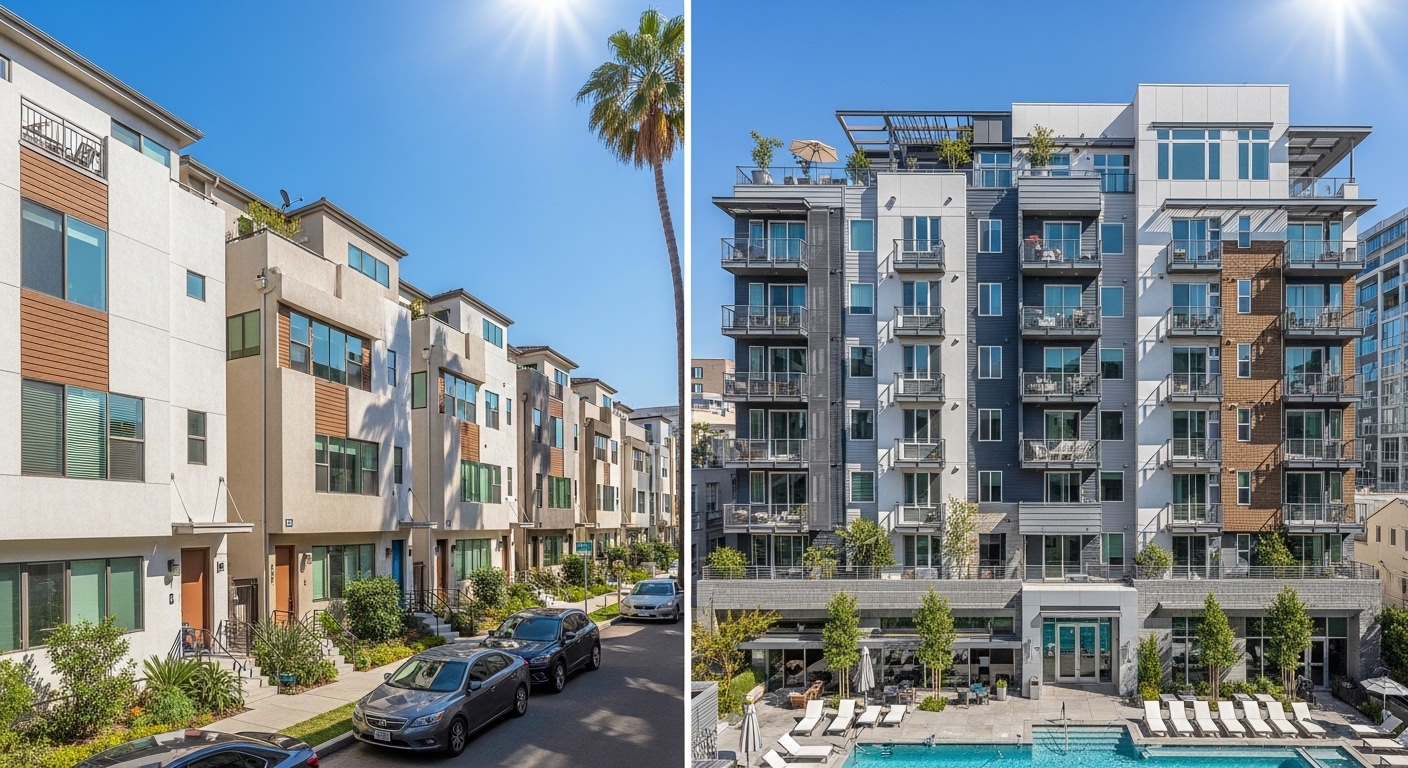
A townhome is typically a multi-level rental unit with its own private entrance, often sharing walls with neighboring units. An apartment is usually part of a larger building with shared entrances, hallways, and amenities.
The biggest difference comes down to space, privacy, and layout. Townhomes feel more like single-family homes, while apartments offer a more compact and community-based living experience.
If you want a deeper understanding of townhome living, explore this guide on townhomes for rent in Granada Hills CA.
Space and Layout: Which One Fits Your Lifestyle?
Townhomes generally provide more square footage and a multi-level layout, making them ideal for renters who want separation between living, sleeping, and working areas. Apartments, on the other hand, are designed for efficiency and simplicity.
Townhomes
- Multiple floors with defined living spaces
- More room for storage and furniture
- Often include private outdoor areas
Apartments
- Open or compact layouts
- Easier to maintain and clean
- Ideal for individuals or smaller households
Choosing the right layout depends on how you use your space daily.
Privacy and Noise Levels
Privacy is one of the biggest factors when comparing townhomes and apartments. Townhomes typically offer more separation from neighbors, while apartments involve more shared walls and common areas.
Townhomes
- Fewer shared walls
- Private entrances
- Quieter overall environment
Apartments
- Shared hallways and amenities
- More neighbor interaction
- Potential for higher noise levels
If privacy is a priority, a townhome may be the better choice.
Cost Comparison: What Should You Expect?
Cost is often a deciding factor when choosing between a townhome and an apartment. While townhomes usually come with higher rent, they also offer more space and features. Apartments tend to be more budget-friendly and predictable in terms of expenses.
| Feature | Townhomes | Apartments |
|---|---|---|
| Rent | Higher | Lower |
| Space | Larger | Smaller |
| Maintenance | May vary | Typically included |
| Utilities | Sometimes separate | Often bundled or simpler |
The key is to evaluate what you are getting for the price and how it aligns with your priorities.
Maintenance and Convenience
Apartments are generally easier to manage because maintenance is handled by property management. This makes them a good option for renters who prefer a low-maintenance lifestyle.
Townhomes may still include maintenance support, but the experience can feel more independent depending on the property.
Why This Matters
Convenience can save time and reduce stress, especially if you have a busy schedule. Apartments are often the simpler option, while townhomes offer more flexibility.
Community and Amenities
Apartments often come with shared amenities such as fitness centers, pools, and lounges. These features can enhance your lifestyle without requiring additional travel.
Townhomes may offer fewer shared amenities but provide more private living space instead.
What to Consider
- Do you prefer shared amenities or private space?
- How often will you use community features?
Your answer can help determine which option is more valuable for your lifestyle.
Lifestyle Fit: Which Option Is Better for You?
The decision between a townhome and an apartment ultimately depends on your daily routine and personal preferences.
Choose a Townhome If You Want
- More space and privacy
- A home-like environment
- Separation between living areas
Choose an Apartment If You Want
- Lower costs and easier maintenance
- Access to shared amenities
- A more social or community-driven environment
Both options can work well—it just depends on what you prioritize.
Location Matters More Than You Think
Beyond the type of home, location plays a critical role in your overall experience. Living in a well-connected neighborhood can improve convenience, reduce commute times, and enhance your lifestyle.
If you are considering the area, this guide on living in Granada Hills provides helpful insights into what to expect from the neighborhood.
Common Concerns and How to Decide
Renters often struggle with choosing between space and convenience. It can feel like a trade-off, but understanding your priorities makes the decision easier.
Common Concerns
- Paying more for space vs saving with an apartment
- Choosing privacy over convenience
- Balancing lifestyle needs with budget
How to Decide
- Identify your top priorities (space, cost, or convenience)
- Think about your daily routine
- Consider how long you plan to stay
Making a decision becomes easier when you focus on what matters most to you.
FAQs
Are townhomes more expensive than apartments?
Yes, townhomes are generally more expensive due to their larger size and added privacy. However, they may offer better value depending on your needs.
Are apartments easier to maintain?
Yes, apartments typically include maintenance services, making them easier to manage on a daily basis.
Which is better for families: townhomes or apartments?
Townhomes are often better for families because they provide more space and separation between living areas.
Is location more important than property type?
In many cases, yes. A good location can significantly improve your quality of life regardless of whether you choose a townhome or apartment.
Find the Right Home for Your Lifestyle
Choosing between a townhome and an apartment comes down to your priorities, lifestyle, and daily routine. Both options offer unique advantages, and the best choice is the one that aligns with how you want to live.
If you are exploring options in the area, take a look at Solaterra Granada Hills living to see how comfort, space, and convenience come together in one community.
If you are ready to learn more or schedule a visit, you can also contact the leasing team here to find a home that fits your needs.
The post Townhomes vs Apartments: Which Is Better for Renters? appeared first on Solaterra Granada Hills Blog.
]]>The post Townhome or Apartment? Amenities That Change How You Live appeared first on Solaterra Granada Hills Blog.
]]>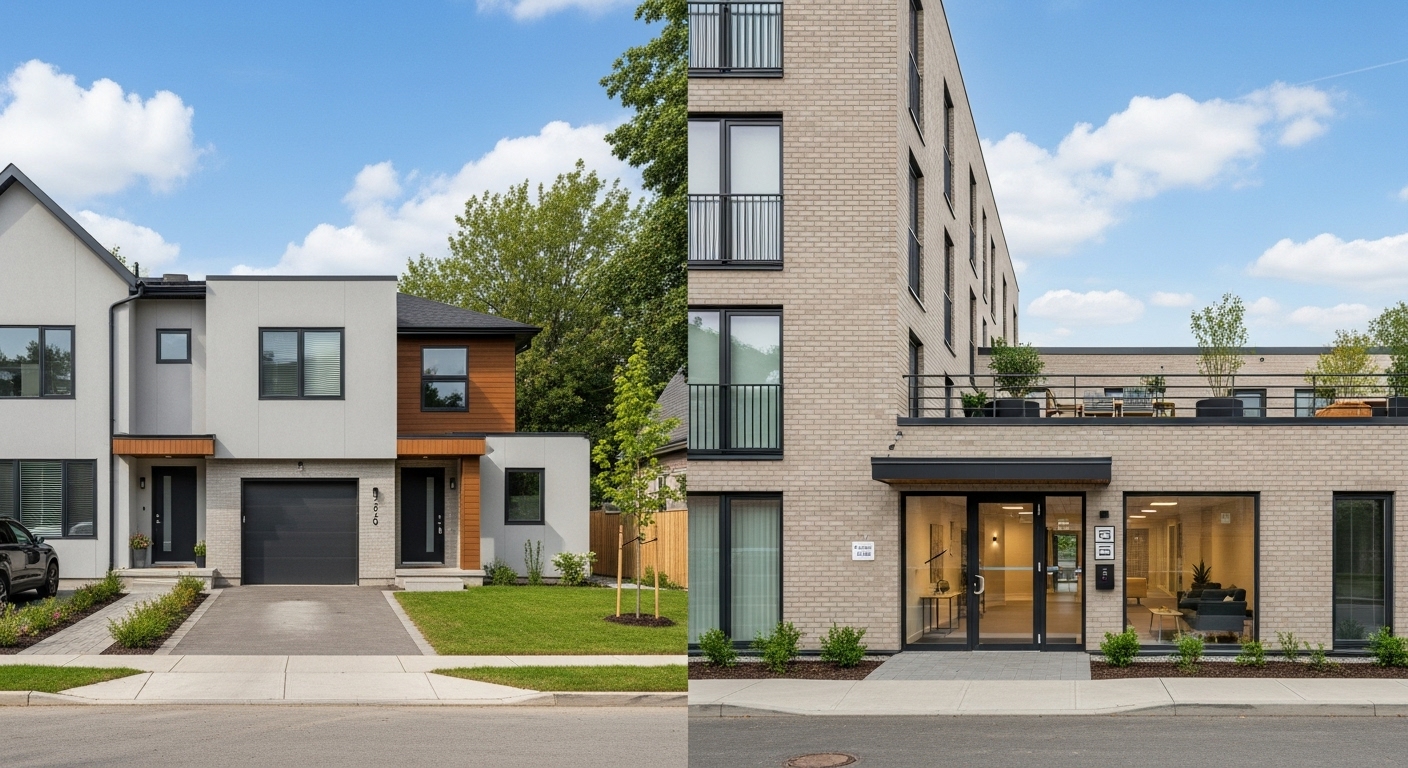
When renters compare a townhome to an apartment, the decision often comes down to amenities. But not the flashy kind. Most renters are not choosing based on a pool or a rooftop lounge. They are asking a simpler question:
Which amenities will actually make everyday life easier?
This guide explains townhome vs apartment amenities in a clear, practical way. If you are deciding where your rent gives you more long-term value, this comparison will help you focus on what really matters.
Why amenities matter more than rent alone
Rent is important, but it is not the whole picture. Over time, renters realize that amenities affect how their days feel, not just how much they pay.
The right amenities can reduce stress in small but important ways. Less noise. Fewer chores. Easier parking. More privacy. These things add up, especially for renters who plan to stay longer than one year.
This is why apartment vs townhome living should be compared based on daily comfort, not just monthly cost.
Layout and space: how your home actually works
Layout is one of the biggest differences renters notice right away. It affects how you move through your day and how your space feels over time.
Apartments usually focus on efficiency. Everything is closer together, which can be convenient but limiting. Townhomes are designed with separation in mind, which changes how the home feels.
Common layout differences renters notice:
- Separate levels: townhomes usually place living areas and bedrooms on different floors, which helps with noise and privacy
- Clear work and rest zones: many renters find it easier to work from home when spaces are not all in one room
- Built-in storage: townhomes often include storage as part of the layout instead of relying only on closets
- This is where townhome layout vs apartment layout becomes a quality-of-life issue, not just a design choice.
If you want to understand how space is divided and used in real life, it helps to look at actual layouts instead of relying on photos.
Privacy: the amenity renters do not think about at first
Privacy is rarely listed as an amenity, but it becomes important soon after moving in. In many apartments, renters share walls on several sides, and noise can travel from next door or above and below. Shared hallways and entrances can also make the space feel busy.
Townhomes usually offer more separation. There are fewer shared walls, no neighbors living above or below, and sometimes a separate entrance. For renters who work from home, take frequent calls, or value quiet evenings, this level of privacy can make a noticeable difference in daily comfort and focus.
Parking and storage: everyday convenience that adds up
Parking is one of the most practical differences between townhome amenities and apartment amenities.
Apartments often rely on shared parking. Spaces may be assigned, limited, or cost extra. Guest parking can also be an issue. Storage is usually minimal or located away from the unit.
Townhomes are often designed with parking and storage built in.
Common advantages renters notice:
- Direct access to parking: many townhomes include private or garage parking
- Extra storage space: garages often double as storage for bikes, tools, or seasonal items
- Less daily frustration: no searching for parking at the end of the day
For renters with hobbies, pets, or work equipment, townhome parking and storage can feel like a major upgrade.
In-unit laundry: a small feature that changes routines
Laundry is easy to overlook until it becomes a hassle. In many apartments, it means shared laundry rooms, waiting for machines, or carrying clothes through hallways, which turns a simple task into something you have to plan around.
Many townhomes include in-unit laundry, making everyday routines easier. Renters often notice they can do laundry anytime, avoid shared machines, and spend less time managing chores. For busy schedules, this small feature can make a big difference in daily comfort.
Community amenities: when shared spaces make sense
Apartments often offer more shared amenities. Pools, gyms, lounges, and coworking areas are common and can be appealing for renters who enjoy being around others and using on-site spaces regularly.
Townhome communities usually take a quieter approach. Shared spaces are more limited, foot traffic is lower, and daily life feels more private. This setup often suits renters who prefer calm surroundings over constant activity.
Neither option is better for everyone. If you enjoy social spaces and plan to use amenities often, apartment living may feel like a good fit. If privacy and quiet matter more, townhomes may feel more comfortable.
Lifestyle fit: who townhomes usually work best for
Over time, clear patterns appear in who tends to prefer townhome living. The decision often comes down to how long you plan to stay and how much quiet and space matter in your daily routine.
Townhomes are often a good fit for renters who:
- Work from home or follow a hybrid schedule and need fewer distractions
- Plan to stay longer than a year and want a more settled setup
- Value quiet, privacy, and separation between rooms
- Want more space without the responsibility of owning a house
Apartments often work better for renters who:
- Expect shorter stays or more flexibility
- Enjoy shared spaces and built-in social energy
- Prefer a lively, urban environment
- Like having amenities close without managing extra space
This comparison helps renters focus less on trends and more on choosing a home that fits how they actually live day to day.
Touring matters more than you think
Townhomes and apartments are built very differently, so how you view the space makes a big difference. Photos alone often miss important details that affect daily life.
Things you may not notice in photos include:
- How sound moves between rooms
- Where stairs are placed
- How storage fits into the layout
- How natural light flows through the home
If you are choosing between a townhome and an apartment, walking through the layout helps you see whether it fits your routine. When an in-person visit is not possible, a virtual tour can still give you a clearer sense of how the space will actually feel.
Why this comparison matters in Granada Hills
In Granada Hills, Los Angeles, CA, many renters want more space and quiet than dense urban areas, while still staying connected to the city. This is why communities like Solaterra Granada Hills appeal to renters who are weighing higher rent against long-term comfort, privacy, and livability. Here, the decision between a townhome and an apartment is not about trends. It is about choosing a home that supports how you actually live.
Final takeaway: choose amenities that make daily life easier
When comparing townhome vs apartment amenities, the biggest differences are not flashy. Townhomes often offer more privacy, easier parking, and clearer separation between living spaces. Apartments usually focus more on shared amenities and social areas. Both can work well, depending on how you live day to day.
The right choice depends on your routine and how long you plan to stay. If you work from home, value quiet, or want a space that feels more settled, townhome-style living may be a better fit. If shared spaces and a more social setting matter more to you, an apartment may make sense. Before deciding, take time to explore layouts and amenities closely so you can choose a home that truly supports your daily life.
Frequently Asked Questions
Are townhomes more expensive than apartments?
Townhomes often cost more than apartments, but they usually include features like privacy, parking, and storage that improve daily comfort. For renters staying longer, these features can feel worth the higher rent.
What amenities do renters value most in a townhome?
Many renters value privacy, garage parking, extra storage, in-unit laundry, and separate living spaces. These amenities affect everyday life, not just move-in day.
Do apartments have better amenities than townhomes?
Apartments usually offer more shared amenities like pools and gyms. Townhomes focus more on private amenities such as space, quiet, and layout separation. The better option depends on how you live.
Is a townhome better for working from home?
For many renters, yes. Townhomes are often quieter and offer better separation between work and rest areas, which helps with focus and balance.
Should renters tour both townhomes and apartments before deciding?
Yes. Touring helps you understand noise levels, layout flow, and how private the space feels. Virtual tours can also help narrow choices before visiting in person.
The post Townhome or Apartment? Amenities That Change How You Live appeared first on Solaterra Granada Hills Blog.
]]>The post Everything You Need to Know About Townhomes for Rent in Granada Hills, CA appeared first on Solaterra Granada Hills Blog.
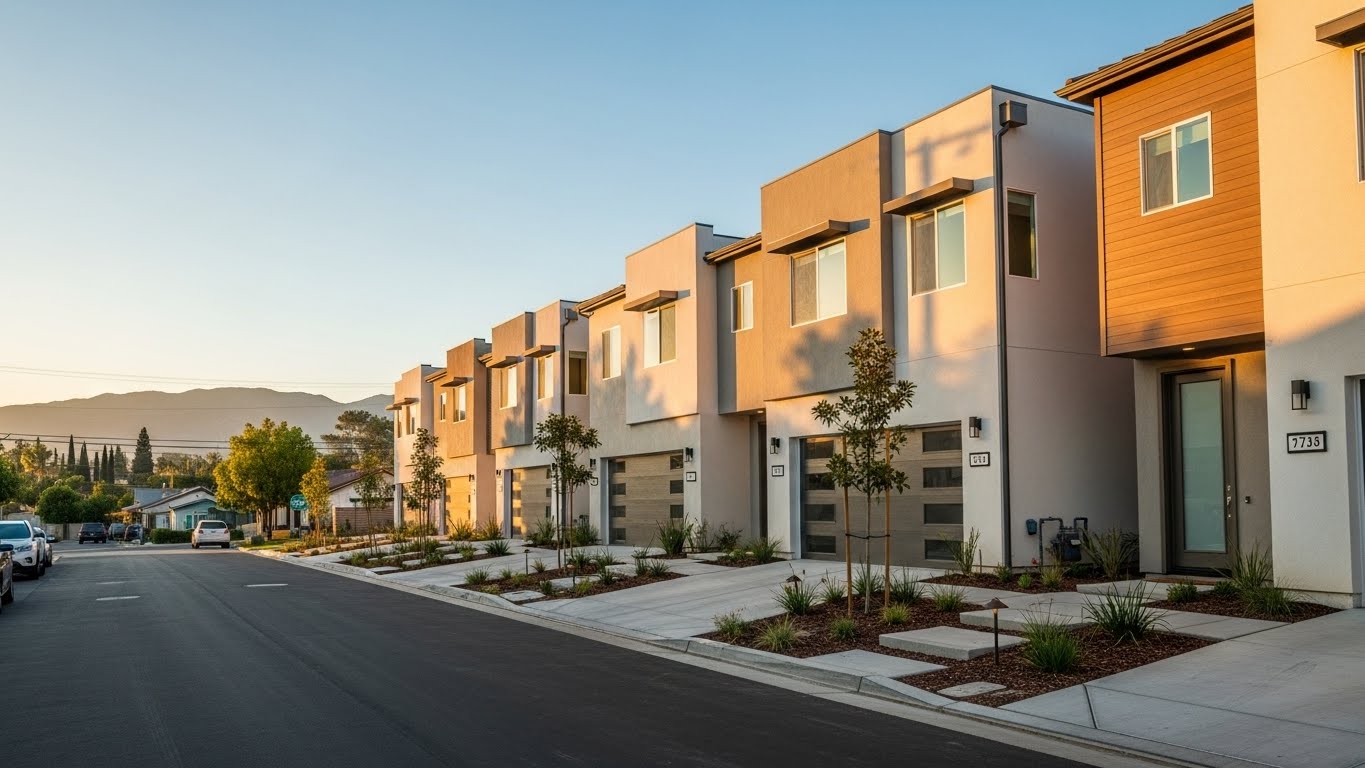
]]>
Keypoints
- Townhomes vs apartments explained clearly
- Why renters choose Granada Hills, CA
- Solaterra’s spacious layouts and amenities
- Ideal renters for townhomes in this neighbourhood
- How to begin your rental search
If you’re beginning your search for townhomes for rent in Granada Hills, CA, you’re likely looking for more than just a rental—you’re looking for space, privacy, and a neighbourhood that feels like home. This part of North Los Angeles is known for offering a calm, residential environment while keeping you close to city conveniences, strong schools, and freeway access. Whether you’re moving from an apartment, downsizing, or simply upgrading your lifestyle, this guide explains what to expect when renting a townhouse near Granada Hills and why Solaterra Granada Hills is a top choice.
What Is a Townhome and How Is It Different from an Apartment?
Townhomes offer a more residential experience than the typical apartment in Los Angeles. Instead of a single-story layout with shared spaces, a townhome is multi-level and often includes a private entrance, attached garage, and additional square footage. These features allow townhomes to feel closer to single-family homes without the maintenance responsibilities.
Common townhome features include:
-
Multiple stories
-
Private entrance and patio
-
Attached garage
-
Larger living areas
-
More natural light
-
Separation between bedrooms and living spaces
Apartments for rent in Granada Hills usually offer smaller floor plans, shared hallways, and limited parking. If space and privacy are priorities, a townhouse rental is often the better option.
Why Rent in Granada Hills, CA?
Granada Hills is known for its peaceful atmosphere, strong community feeling, and proximity to nearby parks, schools, and everyday conveniences. Renters appreciate how the city blends calm residential living with access to the greater Los Angeles area.
A Neighbourhood Feel
The neighbourhood offers a community-focused lifestyle with scenic parks and quiet streets. Its location near O’Melveny Park and other natural areas makes it great for outdoor lovers. Easy access to the 118 and close to 405 means commuting is convenient whether you work near Granada Hills or in nearby cities.
Strong School Options
Families choose to rent in Granada Hills because of the strong public school choices. Granada Hills Charter High School is one of California’s best, making this neighbourhood especially appealing for renters who value education accessibility.
Privacy and Peace of Mind
Some townhome rentals, including Solaterra Granada Hills, offer gated community layouts that add security, convenience, and a sense of privacy.
Inside Solaterra Granada Hills
Solaterra Granada Hills is now pre-leasing modern townhome rentals for Summer 2025. These homes are designed for renters who want more space, comfort, and updated features in a well-planned neighbourhood setting.
Floor Plans and Important Details
Solaterra offers spacious 3- and 4-bedroom townhomes thoughtfully designed for modern living. Each townhome includes:
- Private attached two-car garage
- Open floor plan layouts
- Spacious bedrooms
- High-end kitchen finishes with quartz countertops and stainless steel appliances
- Private balconies or patios
- Washer and dryer included
- Full bath and half-bath combinations depending on the layout
Each floor plan is offered with verified information so renters can confidently explore options that match their lifestyle.
Community Amenities and Features
Solaterra’s community amenities support comfortable, convenient everyday living. Amenities include:
- Resort-style swimming pool and hot tub
- Clubhouse lounge with Wi-Fi and flexible seating
- Outdoor green spaces and walking areas
- Pet-friendly policies
- On-site maintenance and management
- Nearby access to shops, cafes, and trails
These features create a well-rounded environment for relaxing, working, and enjoying time at home.
Who These Townhome Rentals Are Ideal For
Townhomes in this part of California are perfect for renters who need more room than a typical apartment can provide. These rentals are ideal for:
- Families looking to live in a strong school district
- Remote workers needing a dedicated home office
- Couples moving into a long-term rental
- Renters wanting move-in-ready homes
- People searching for spacious, modern rental properties
Townhome rentals in Granada Hills also appeal to those who want more privacy, flexible living areas, and updated interiors.
Renting Near Granada Hills: Next Steps
If you're ready to explore townhomes for rent in Granada Hills or nearby areas, Solaterra makes the process simple. You can view floor plan details, check price ranges, explore the community, and begin your rental search with ease.
To get started, visit Solaterra Granada Hills to view options or contact our leasing team to learn about availability, pricing, and upcoming move-in dates.
FINAL THOUGHTS
When you compare townhouse rentals across Los Angeles, Granada Hills stands out for its calm neighbourhood feel, convenient location, and balance of comfort and space. Renting at Solaterra Granada Hills means living in a spacious home designed for modern lifestyles, complete with private garages, thoughtful layouts, and community-focused amenities. If you’re searching for rentals in a peaceful neighbourhood with access to everything you need, Granada Hills is an excellent place to begin your next move.
The post Everything You Need to Know About Townhomes for Rent in Granada Hills, CA appeared first on Solaterra Granada Hills Blog.
]]>