
.jpg)
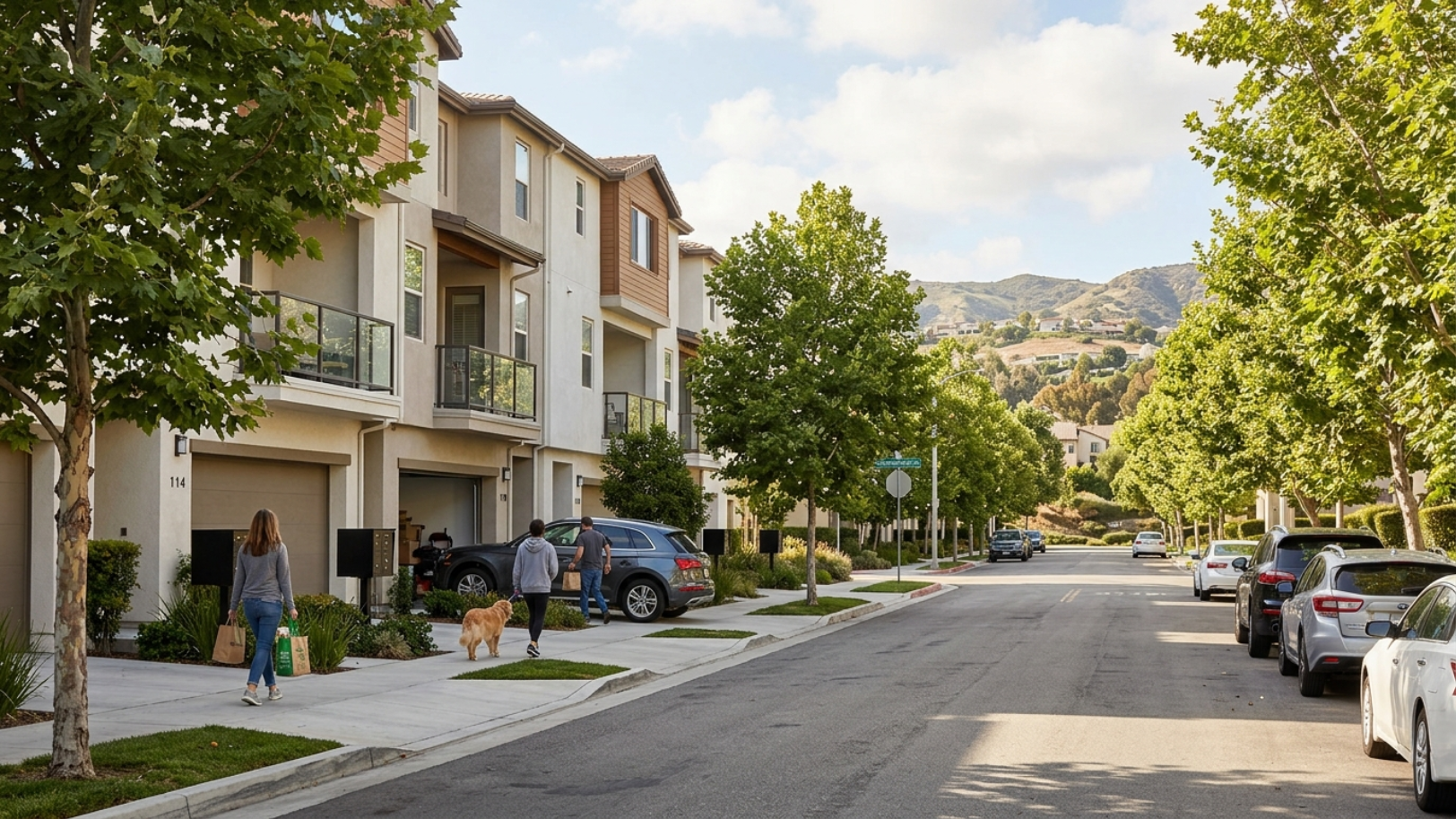
The cost of living in Granada Hills can feel high for some renters, but the neighborhood may offer better value for people who prioritize space, parking, and quieter surroundings over dense urban living.
Like much of Los Angeles, housing costs in this part of the San Fernando Valley can still be significant. The difference is that residents may get more room, added privacy, and a more practical day-to-day setup than they would in denser neighborhoods.
Cost of living is not just about rent. It also includes utilities, groceries, transportation, parking, commute time, move-in costs, and how well the home supports your lifestyle.
This guide breaks down what to consider before choosing a home in Granada Hills.
Quick Answer
The cost of living in Granada Hills depends mostly on rent, housing type, transportation, and household needs.
Recent rental sources show average apartment rent around $1,996 to $2,194 per month, though larger townhomes, utilities, vehicle costs, parking, and commute time can increase the total monthly budget.
The area may offer stronger value for people who want more room and a calmer San Fernando Valley lifestyle. However, daily life is usually easiest for those with access to a car.
Key Points
- Granada Hills may offer stronger value for space compared to many LA neighborhoods.
- Monthly costs vary significantly depending on housing type and commute
- Larger townhome rentals may work well for larger households, roommates, and remote workers
- Transportation and car ownership can heavily affect overall living costs
- The neighborhood works best for people prioritizing comfort and long-term livability
What Is the Average Cost of Living in Granada Hills?
The cost of living in Granada Hills varies by housing size, transportation needs, and lifestyle. Recent rent sources show the area is not the lowest-cost LA option, but it may offer competitive value per square foot compared with some central Los Angeles neighborhoods.
Rental data also changes by source.
Apartments.com lists the average rent in Granada Hills at $1,996 per month as of May 2026, with one-bedroom apartments around $1,996, two-bedrooms around $2,589, and three-bedrooms around $3,562.
RentCafe reports a higher average apartment rent of $2,194 as of April 23, 2026, with studios at $1,500, one-bedrooms at $1,855, and two-bedrooms at $2,562.
Why Rent Averages Differ
- Different data sets: Apartments.com and RentCafe pull from different rental inventory and market data.
- Different property types: Apartments, townhomes, condos, and houses can shift the average.
- Different unit sizes: Larger layouts usually raise the monthly average.
- Different update dates: Market reports can change month to month.
- Different availability: A small number of larger homes can affect the local average.
Use rent averages as a starting point, not a final budget.
Your real cost will depend on the layout, location, lease terms, utilities, parking, and how well the home matches your household needs.
Why Housing Type Changes the Budget So Much
The biggest cost difference in the local rental market often comes from the type of housing chosen rather than the neighborhood itself.
A smaller apartment and a larger townhome can serve very different needs, even if both are in the same area.
How Rental Type Affects Cost
- Apartments: Often lower in monthly rent, especially for smaller households.
- Townhomes: Usually cost more, but may offer more bedrooms, storage, and privacy.
- Condos: Can vary widely depending on owner rules, finishes, and included features.
- Single-family rentals: May offer more room but can come with higher rent and more upkeep.
- Shared rentals: Can lower individual costs when roommates split rent and utilities.
The key is value, not just price.
A higher rent may make sense if it reduces storage needs, supports remote work, includes parking, or gives each person more usable space.
If you are still deciding which rental style makes sense, compare whether townhomes or apartments are better for renters before committing to one layout type.
Larger households or roommate groups may also want to review 3 and 4 bedroom townhome floor plans to see how layout, bedroom count, and shared spaces affect monthly value.
Utilities, Transportation, and Everyday Expenses Add Up Too
Rent is only part of the budget. Transportation, utilities, groceries, and commuting costs can significantly affect monthly expenses in this area.
This matters because the neighborhood is more car-oriented than highly walkable central LA areas.
Walk Score currently describes Granada Hills as Car-Dependent, with most errands requiring a car and a Walk Score of 44.
Costs to Plan For
- Utilities: Electricity, water, gas, trash, internet, and renter services can vary by property.
- Transportation: Fuel, insurance, maintenance, registration, and parking can add up.
- Groceries: Food costs depend on household size, shopping habits, and preferred stores.
- Commute time: A lower rent may not feel worth it if the commute is long and stressful.
- Move-in costs: Deposits, application fees, furniture, movers, and setup expenses matter.
- Shared bills: Roommates should agree early on how to split utilities and household items.
Granada Hills has access to major routes, including the 118 Freeway, 405 Freeway, and I-5. The City of Los Angeles Council District 12 page also notes that the community is served by the 118, 405, and I-5 freeway corridors.
That access can be helpful, but it does not guarantee a quick commute.
A route that looks easy on a map may feel very different during weekday traffic.
Is Granada Hills Actually Affordable Compared to Other Parts of LA?
Granada Hills is usually not the cheapest LA neighborhood, but it can provide solid long-term value through larger living spaces, calmer residential pockets, and better parking potential.
That distinction matters.
This is not “cheap LA living.” It is more about what people get for the monthly cost.
RentCafe reports the broader Los Angeles average apartment rent at $2,742 as of April 22, 2026, compared with its Granada Hills average of $2,194 as of April 23, 2026.
Where the Area May Offer Better Value
- More room: Larger layouts may be easier to find than in denser LA neighborhoods.
- Less congestion: Some residential pockets can feel calmer than central apartment districts.
- Parking potential: Certain rental types may reduce street-parking stress.
- Outdoor access: Parks and hillside-adjacent areas can support a more relaxed routine.
- Everyday livability: Extra room can matter if you work from home or share housing.
What You May Trade Off
- Less walkability: Many errands are easier by car.
- Less nightlife: The area is not built around late-night entertainment.
- Longer commutes: Trips to West LA, Downtown LA, or Hollywood can take time.
- More vehicle costs: Fuel, insurance, and maintenance should be included in the budget.
If you are still weighing the lifestyle side of the decision, review whether Granada Hills is a good neighborhood for renters before comparing rent alone.
What Are You Really Paying For in Granada Hills?
Higher rental costs in the neighborhood often reflect added room, privacy, storage, and household convenience rather than luxury branding alone.
This is especially important when comparing smaller apartments with larger townhome-style layouts.
Common Value Factors
- More bedrooms: Can support roommates, larger households, or home office needs.
- Private garage: May reduce parking stress and add storage value.
- In-home laundry: Saves time and can make weekly routines easier.
- Larger living areas: Helps shared households feel less cramped.
- Storage space: Useful for work equipment, seasonal items, or outdoor gear.
- Added privacy: Can make long-term living feel more comfortable.
The question is not only, “How much is the rent?”
It is also, “What does the monthly cost include?”
A lower-cost apartment may still require trade-offs if it has limited parking, shared laundry, less storage, or a layout that does not support remote work.
If you are comparing features, this guide on apartment and townhome amenities that improve everyday living can help separate useful amenities from nice-to-have extras.
For those focused on practical daily value, features like private garages, in-home laundry, and modern amenities may help explain why a larger rental costs more than a basic apartment.
Who Does Granada Hills Fit Best Financially?
Granada Hills tends to work best financially for households that value extra room, shared living arrangements, or suburban convenience over dense urban access.
It may be less ideal for someone who wants the lowest possible monthly rent or a fully car-free lifestyle.
The Area May Fit People Who Want
- Larger layouts: Extra bedrooms can support home offices, hobbies, or shared living.
- Roommate savings: Splitting a larger rental can make the monthly cost more manageable.
- Commute access: Freeway routes may help people traveling around the San Fernando Valley.
- Residential calm: A slower-paced setting can feel worth the cost for some households.
- Storage and flexibility: Additional room may reduce the need to move again quickly.
The Area May Not Fit People Who Want
- Very low rent: Smaller or older inventory in other areas may cost less.
- Dense walkability: Some central LA neighborhoods offer more car-free convenience.
- Nightlife access: This part of the Valley is not known as a late-night entertainment hub.
- Minimal car expenses: Vehicle costs can affect the total monthly budget.
The best financial fit depends on your full household budget.
Compare rent, commute costs, utilities, storage needs, and lifestyle fit together.
Housing Quality Can Affect Long-Term Value Too
Newer communities with practical layouts, parking, storage, and modern conveniences can improve satisfaction even when monthly rent is higher.
That does not mean newer is always better. It means quality and usability should be compared alongside price.
What to Look For Beyond Rent
- Layout efficiency: A smart floor plan can make the home feel larger.
- Parking setup: Assigned or garage parking may reduce daily stress.
- Laundry access: In-home laundry can save time and simplify routines.
- Storage: Built-in storage or garage space can reduce clutter.
- Maintenance expectations: A well-managed rental may feel easier long term.
- Remote work support: Extra rooms or quiet areas can matter for work-from-home needs.
Older apartments may offer lower rent, but they may also come with fewer conveniences.
A newer or larger rental may cost more each month, but the added comfort can create better value if it fits your needs.
To evaluate finishes, layout, and everyday usability, you can see the townhome interiors and community spaces before scheduling an in-person visit.
Finding the Right Rental Value in Granada Hills
For people who prioritize room, comfort, and a calmer suburban setting, Granada Hills can offer strong long-term value compared with some denser Los Angeles neighborhoods.
The important part is knowing what you are paying for.
A good rental value is not always the lowest rent.
It is the home that fits your monthly budget, commute, storage needs, household setup, and daily routine.
Before choosing a home, ask yourself:
- Can I afford the full monthly cost, not just rent?
- Will my commute feel realistic during peak traffic?
- Do I need extra rooms for roommates or remote work?
- Will parking, laundry, and storage make life easier?
- Does the neighborhood pace fit how I want to live?
If the area feels like the right fit, Solaterra Granada Hills offers townhomes for rent in Granada Hills with more space and privacy for people comparing long-term comfort, layout flexibility, and everyday convenience.
You can also schedule a tour of Solaterra Granada Hills to compare the community, floor plans, and features in person before making a leasing decision.
FAQ
Is Granada Hills expensive for renters?
Granada Hills is not usually considered a low-cost rental area, but it may offer more space and practical value than some denser LA neighborhoods.
Costs depend on unit size, property type, amenities, lease terms, and current availability.
What is the average rent in Granada Hills?
Recent sources show different averages. Apartments.com lists Granada Hills average rent at $1,996 as of May 2026, while RentCafe reports $2,194 as of April 23, 2026.
Use these numbers as estimates and check current listings before budgeting.
Is Granada Hills cheaper than other parts of Los Angeles?
Granada Hills may be lower than the broader Los Angeles average on some rental data sources, but it is not automatically cheap.
Its value often comes from layout size, parking potential, and residential convenience rather than the lowest monthly rent.
Do you need a car to live in Granada Hills?
Most people will find daily life easier with a car.
Walk Score describes Granada Hills as car-dependent, and many errands are easier by driving.
Why do townhomes cost more than apartments?
Townhomes often cost more because they may include larger layouts, more bedrooms, added privacy, garage space, and more storage.
For roommates or larger households, the cost may feel more reasonable when split across multiple people.
Is Granada Hills good for larger households and roommates?
Granada Hills can work well for people who need more bedrooms, shared living space, or room for remote work.
The best fit depends on budget, commute, parking needs, and current rental availability.
What should I budget beyond monthly rent?
Plan for utilities, internet, transportation, groceries, parking, renter’s insurance, move-in costs, deposits, and furniture.
In car-oriented areas, transportation costs can make a big difference in the total monthly budget.
Disclaimer
This guide was created to help people evaluate the cost of living in Granada Hills using current rent data, local neighborhood context, official property information, and budgeting considerations. Rental prices, availability, amenities, commute times, and local conditions can change, so prospective residents should verify current details before making a leasing decision.
Source context: Apartments.com and RentCafe report different Granada Hills rent averages because rental platforms use different data sets, inventory, and update schedules. Apartments.com lists Granada Hills average rent at $1,996 as of May 2026, while RentCafe lists the average apartment rent at $2,194 as of April 23, 2026.
Walk Score describes Granada Hills as car-dependent, supporting the article’s transportation and car ownership guidance.
The City of Los Angeles Council District 12 page supports references to the 118 Freeway, 405 Freeway, I-5, and local area context.